


LoraLIGHT
Light control

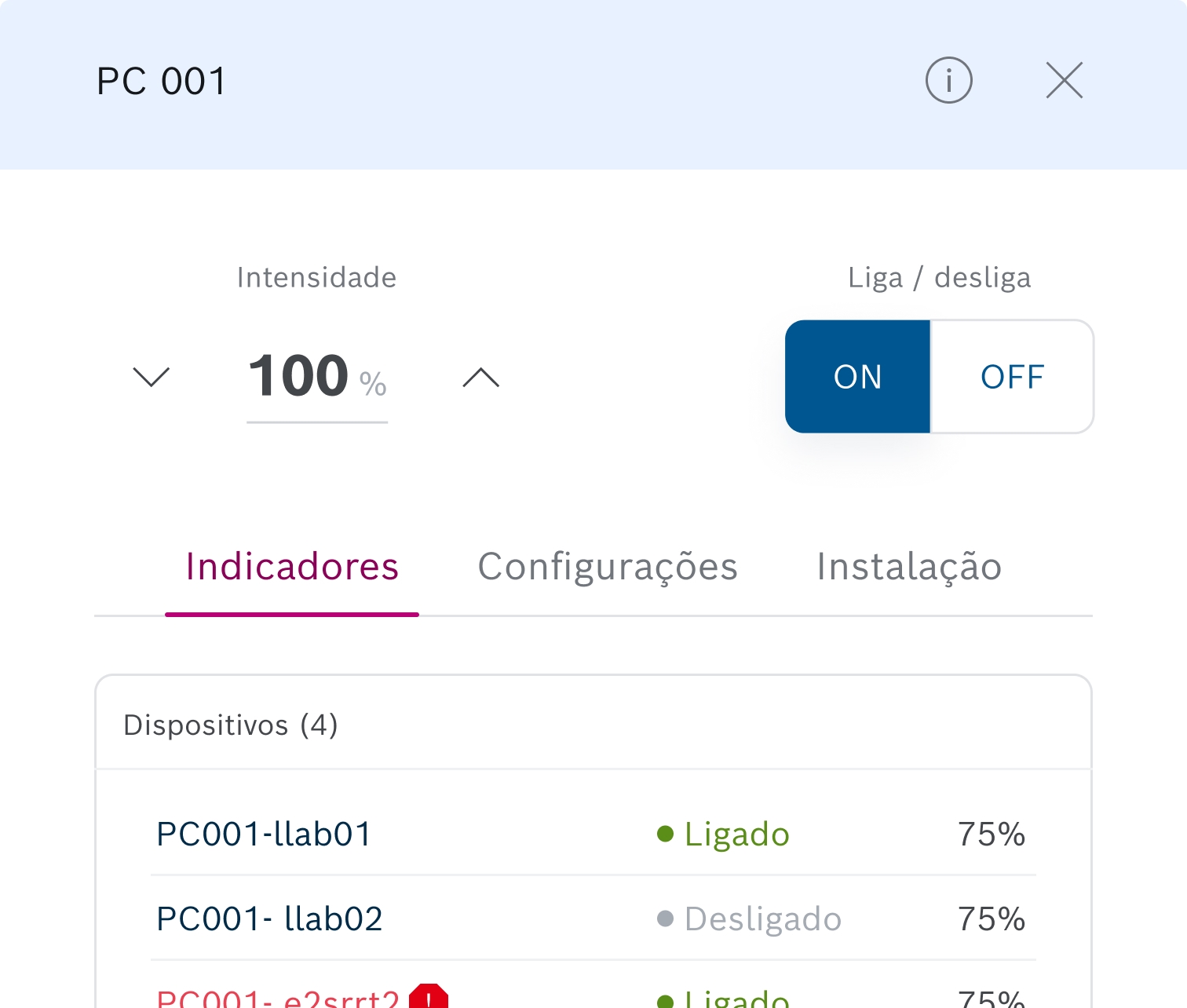
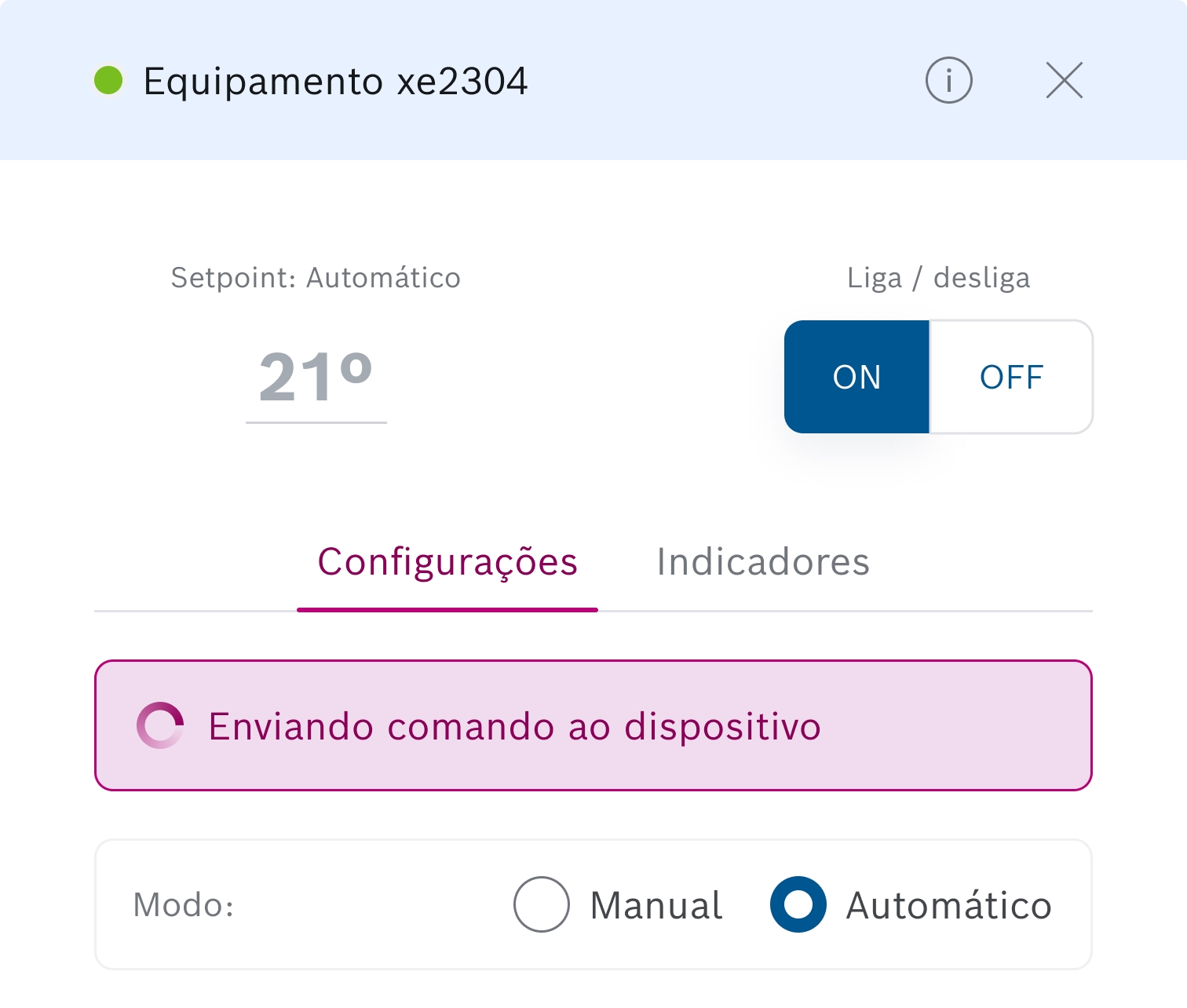
The LoraLIGHT module turns each factory light on, off, or dims it remotely.

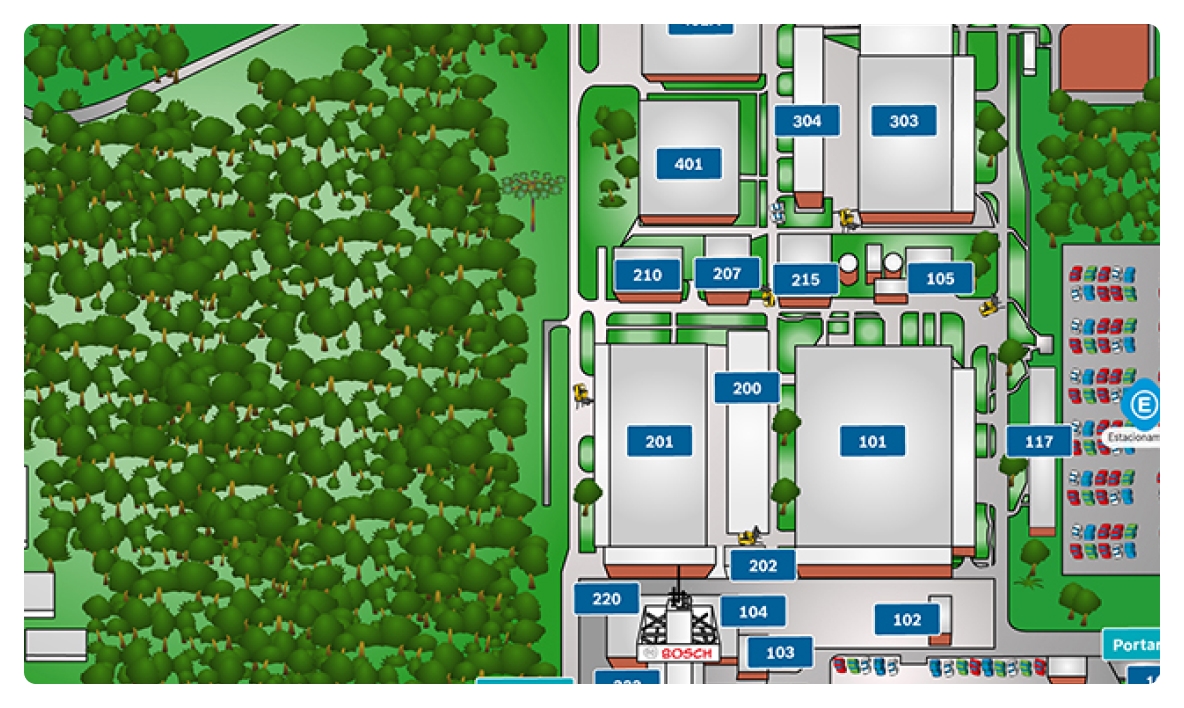
A tool that unifies control of Bosch's factories into interactive plans, right in the browser.

Europe & Brazil
Location
Product Designer
Role

2023
Date
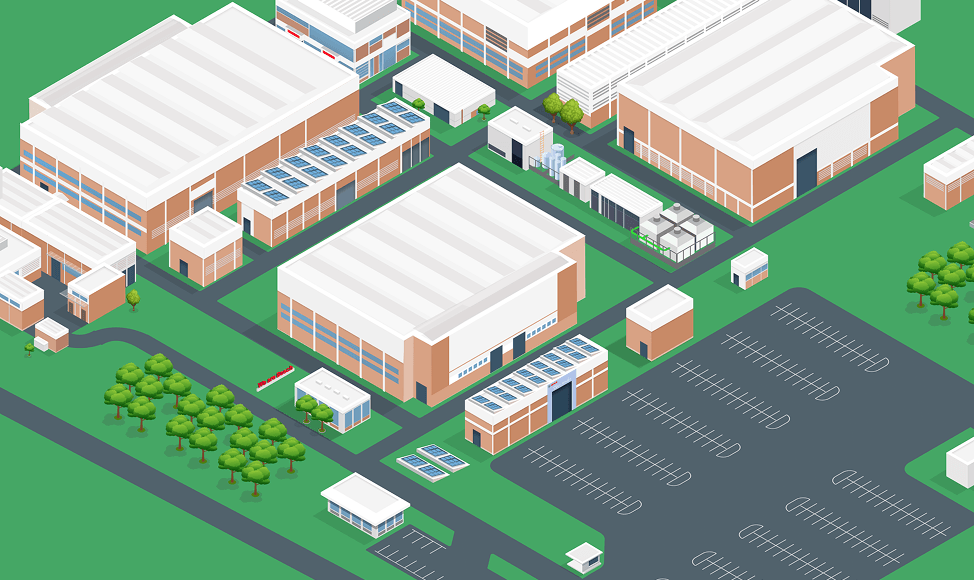

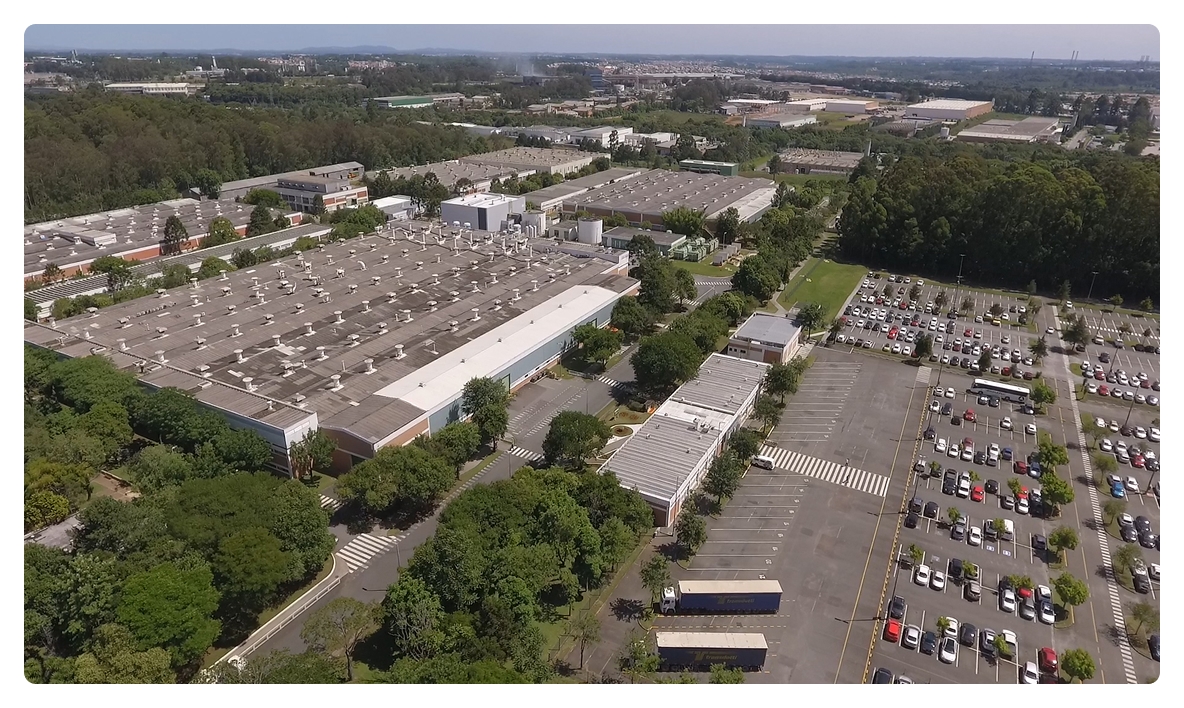
The Bosch Group is a global leader in technology and services. The company employs around 418,000 people worldwide and generated sales of €90.3 billion in 2024. Its operations are split across four business sectors: Mobility, Industrial Technology, Consumer Goods, and Energy and Building Technology.
WHAT IT IS
Operations and facilities teams would use the tool to control temperature, lighting and blinds in each area in real time, directly on the factory plan. This would cut energy consumption without relying on adjustments scattered across different systems.
Adjust each area's light intensity and schedule without leaving the plan.
Monitor security cameras across the factory floor in real time.
See live temperature and outdoor conditions for each facility.
Open or close each room's blinds remotely, right from the plan.
Regulate each area's air conditioning without separate systems.
Track consumption and usage indicators in live-updated charts.
STEP 01
STEP 02
LoraLIGHT
Light control
The LoraLIGHT module turns each factory light on, off, or dims it remotely.
HVac
Air conditioning control
The HVac module turns each room's air conditioning on and off remotely.
CA401
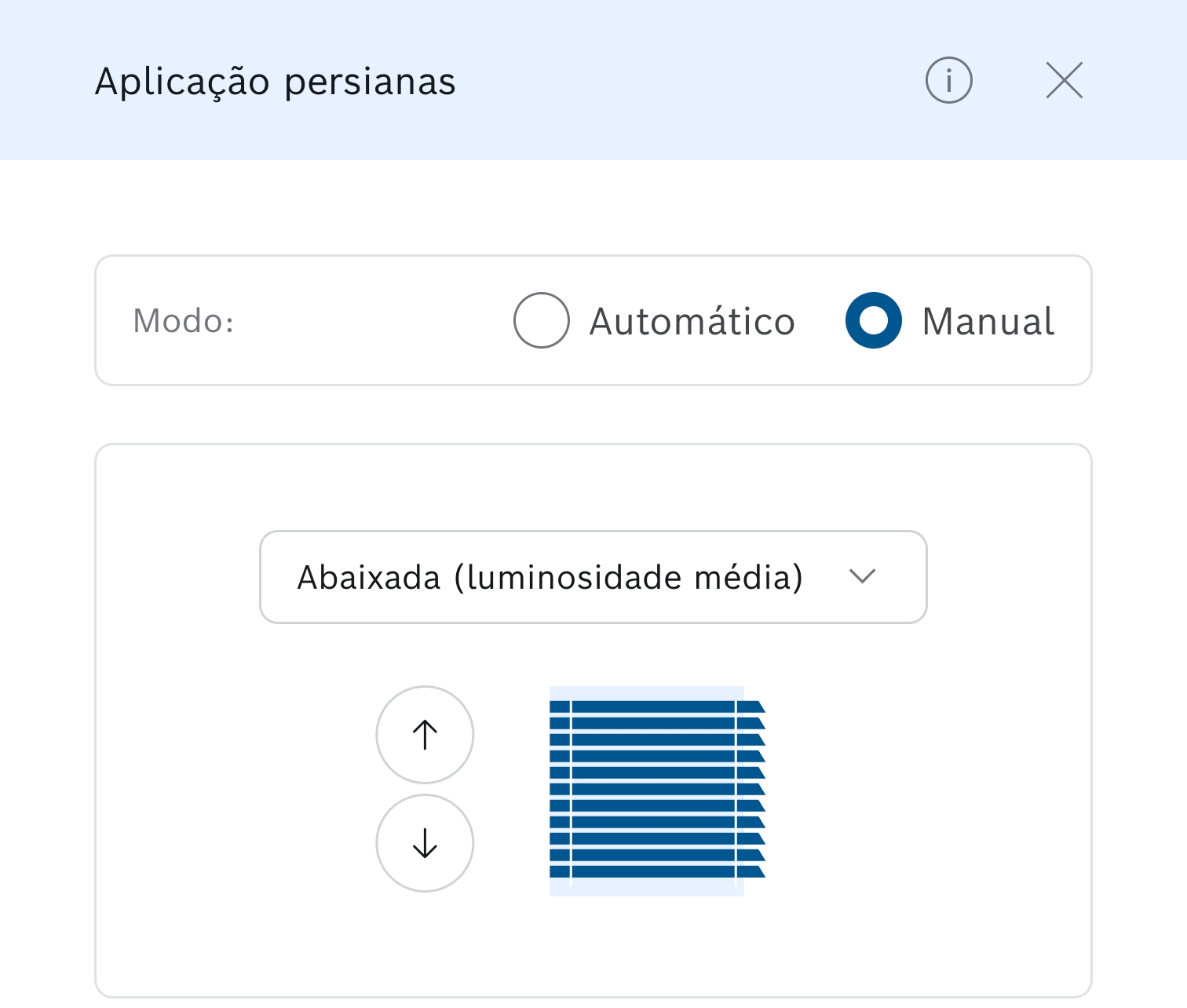
Blinds control
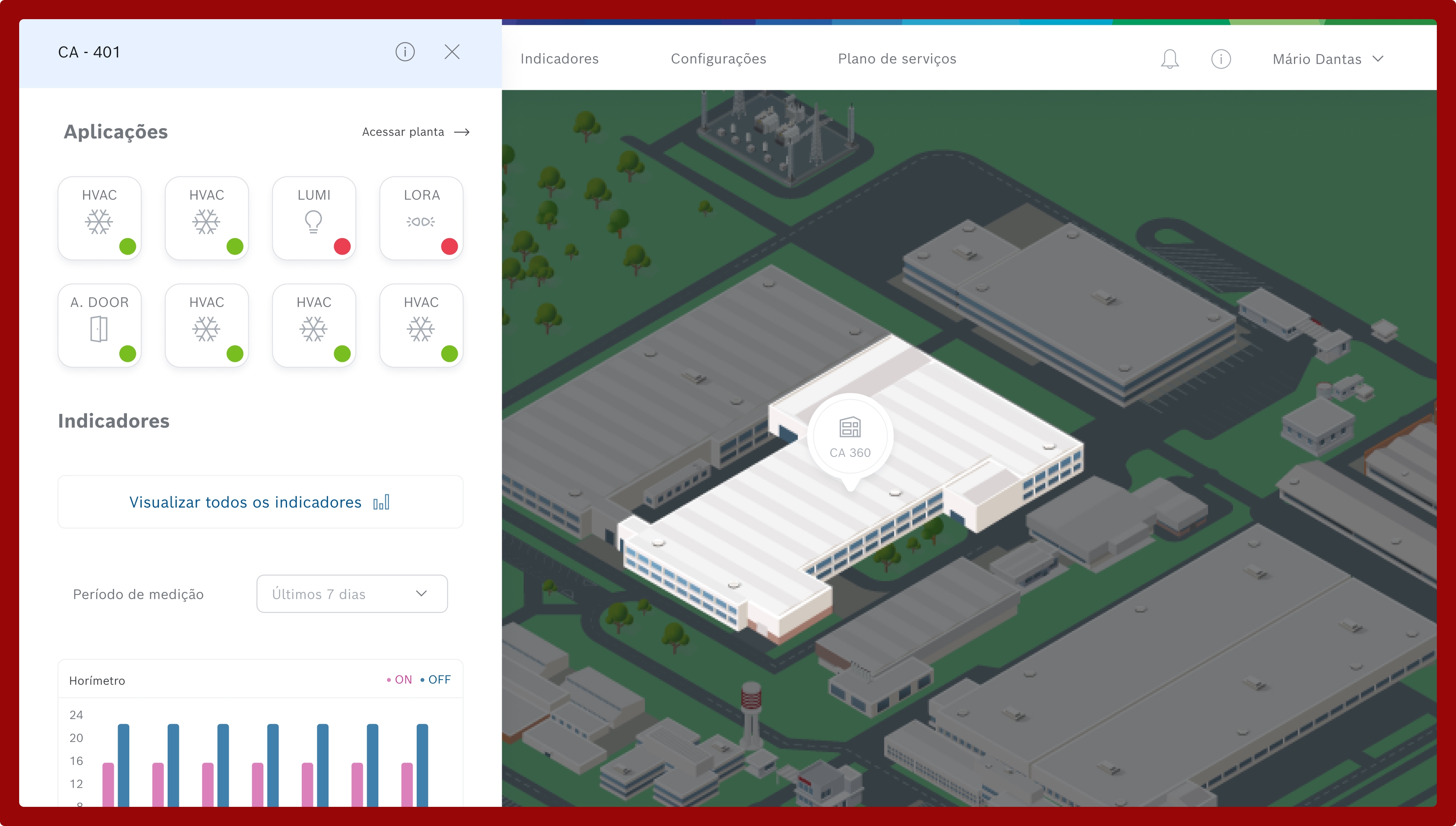
The CA401 module opens and closes each room's motorized blinds straight from the interactive plan.
Visões de clima
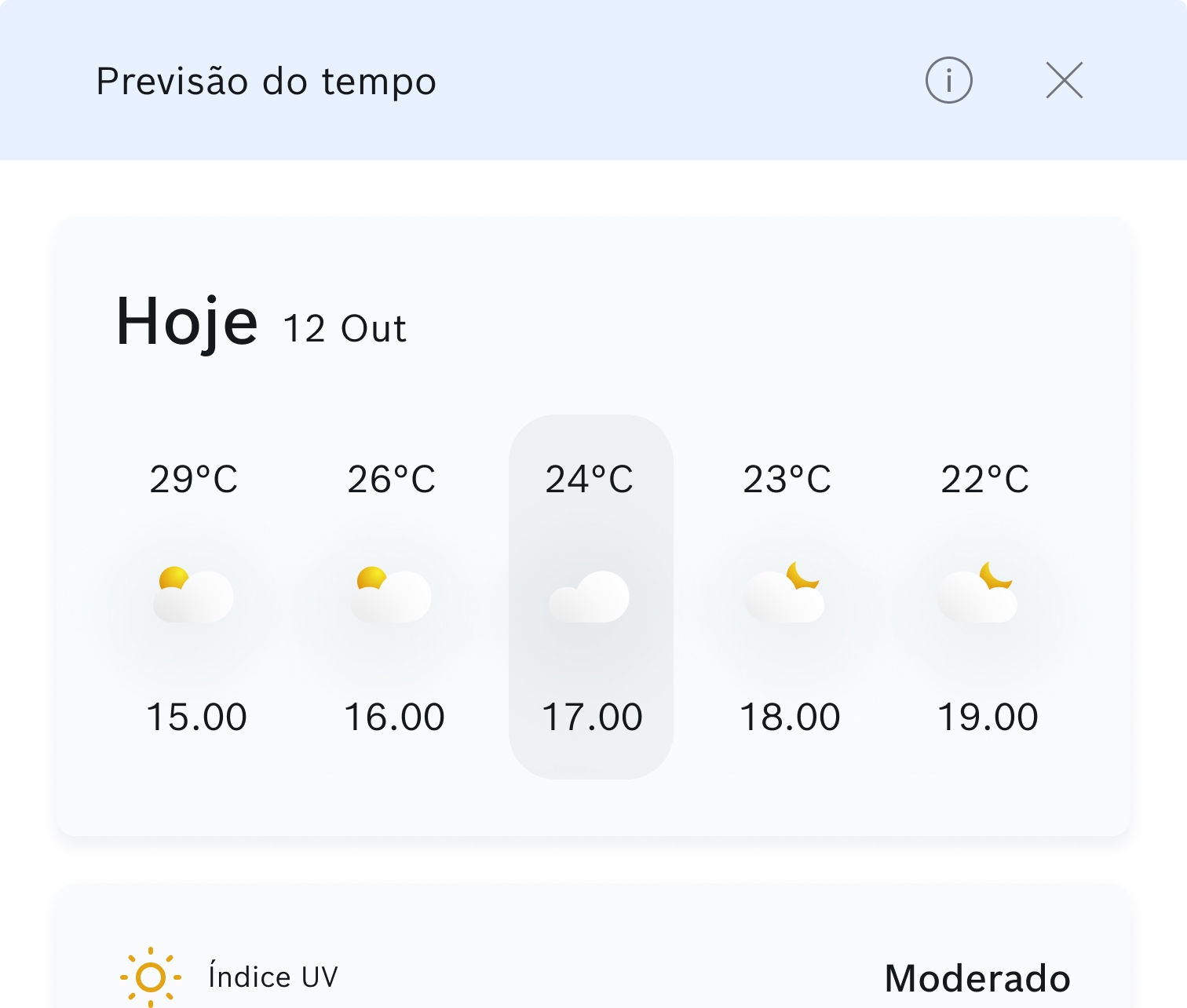
Weather views
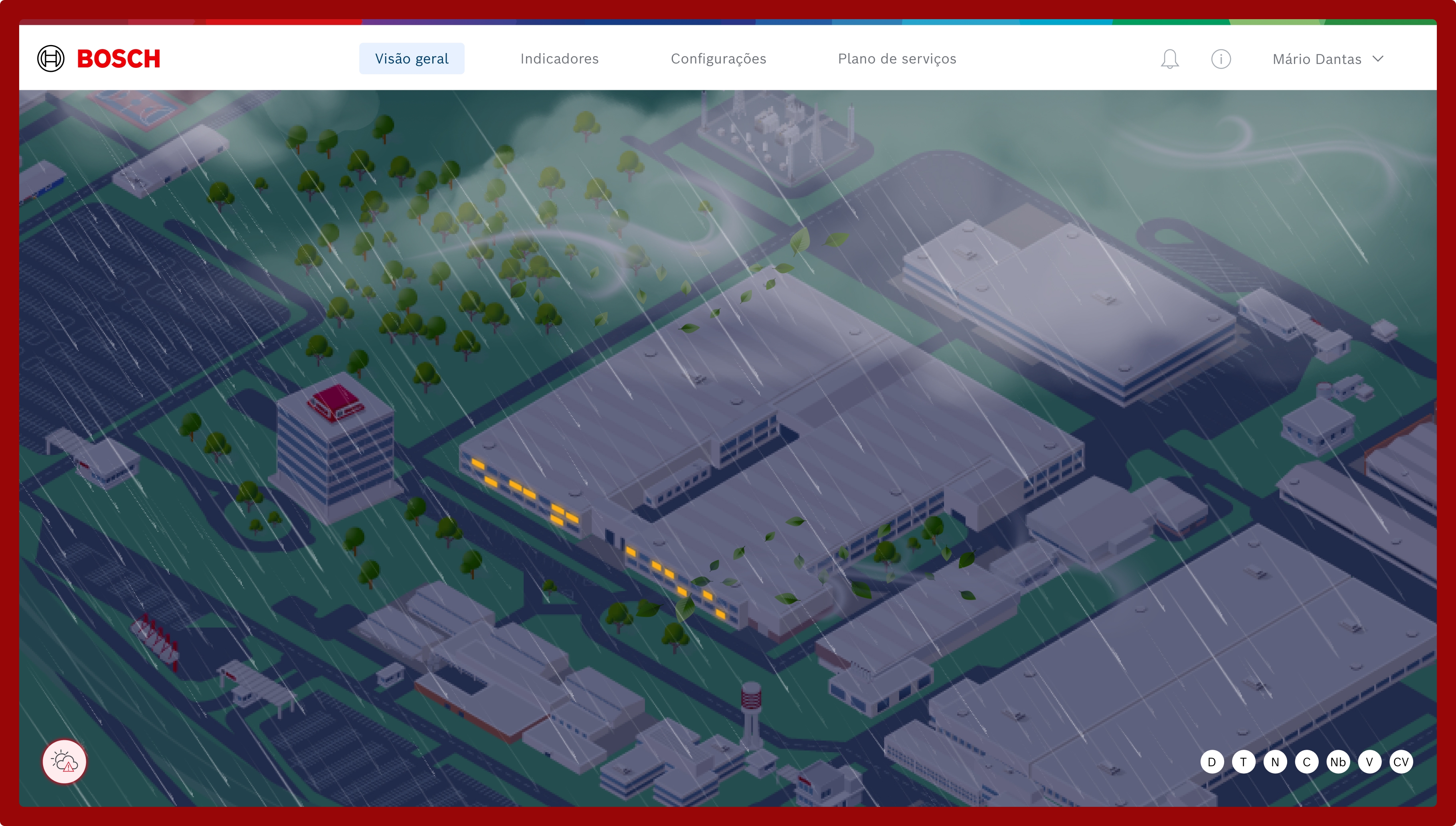
The weather module shows live temperature, humidity and forecast for each facility.
LoraCAM
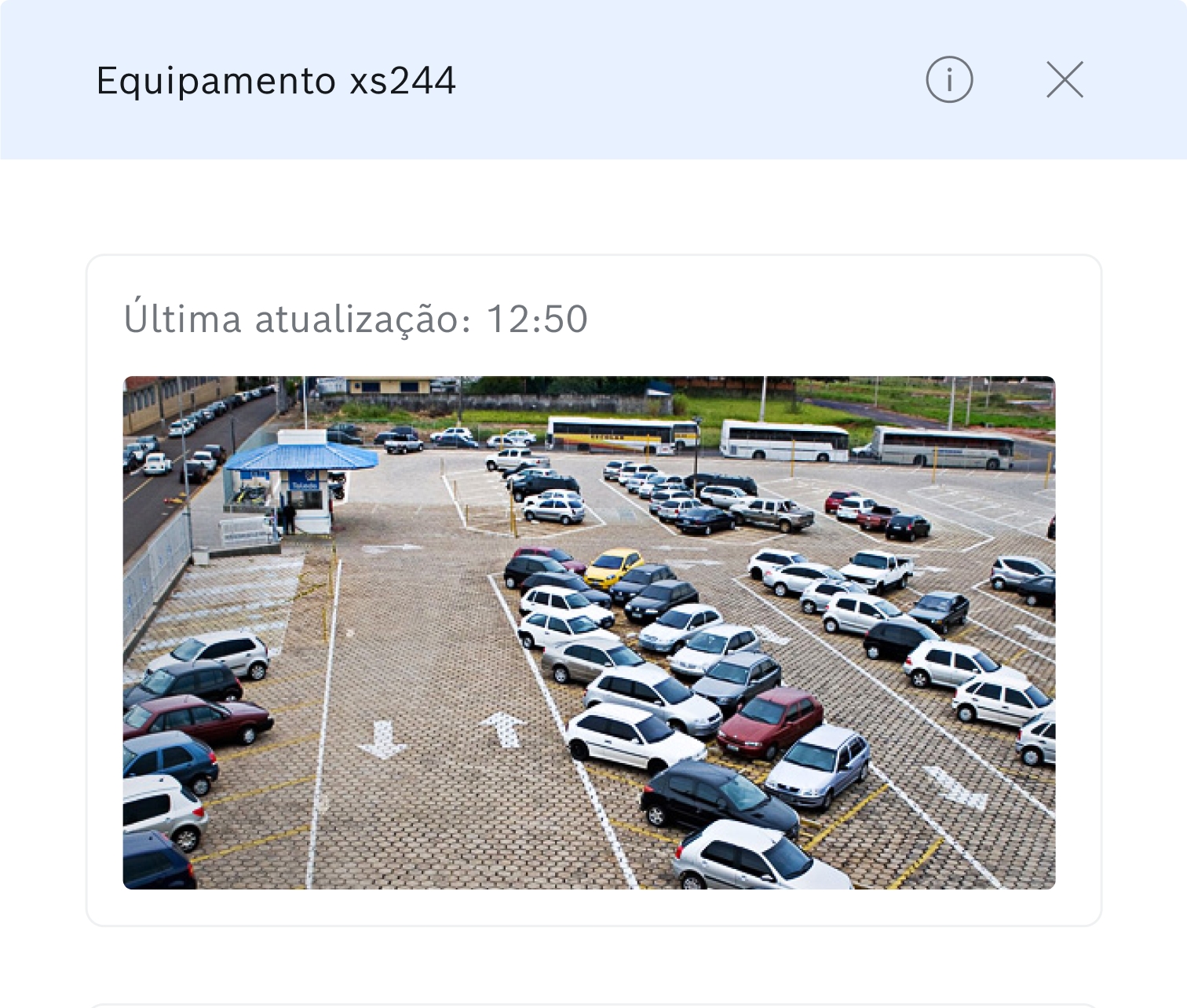
Camera monitoring
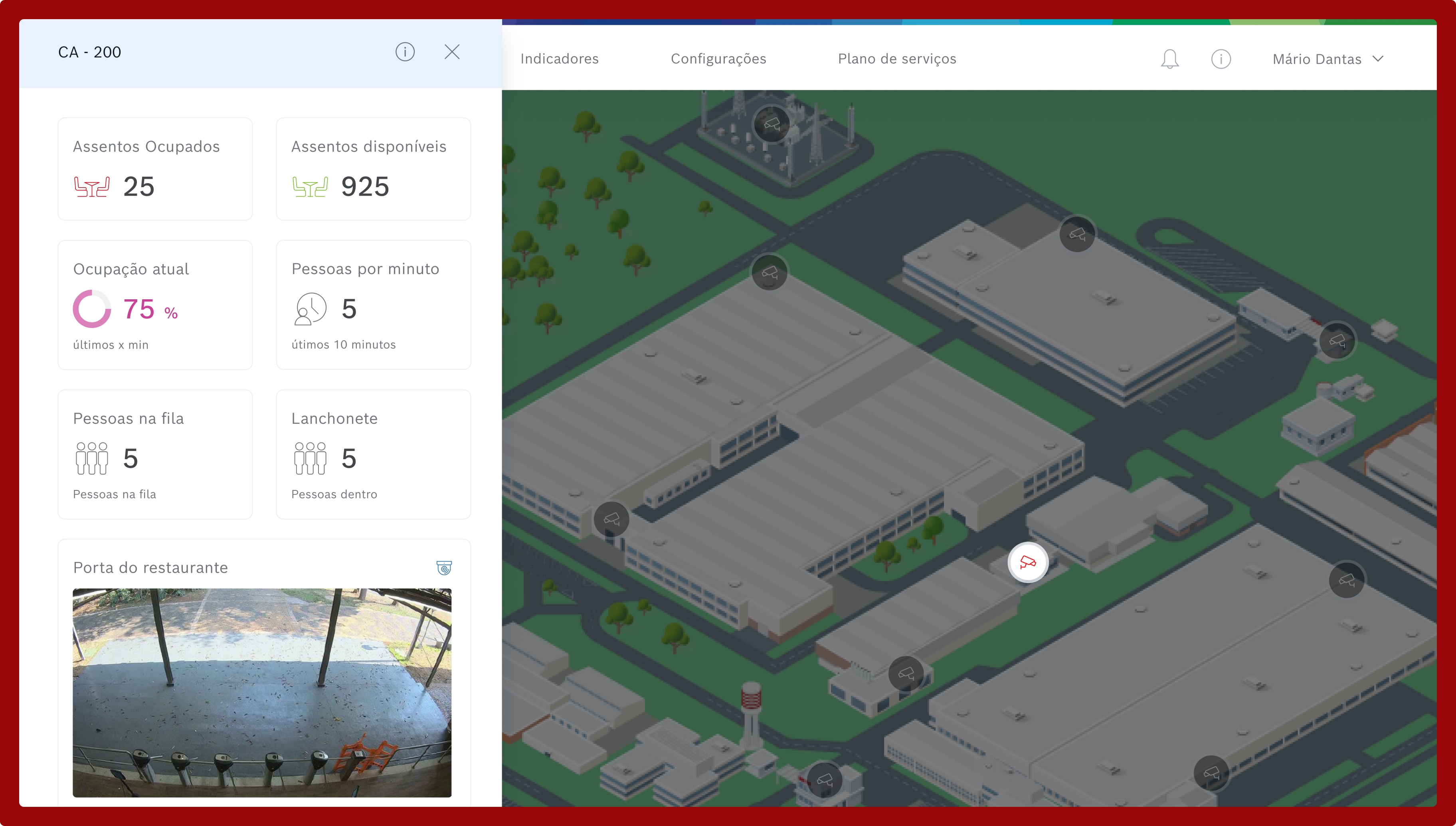
The LoraCAM module centralizes security cameras from every factory on a single screen.
Indicadores
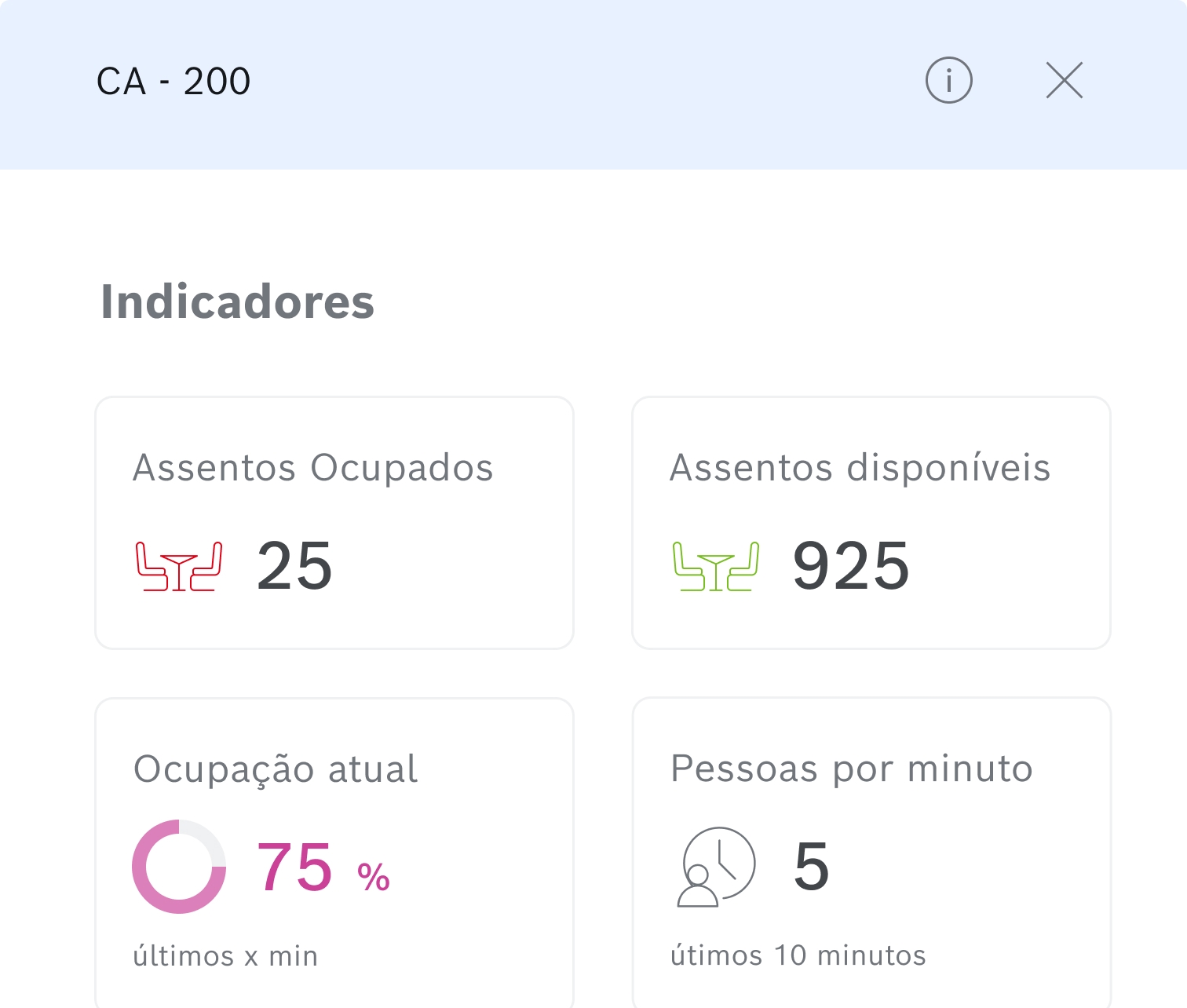
Blinds control
The indicators module gathers each area's energy consumption and usage in live charts.
STEP 03
PROCESS
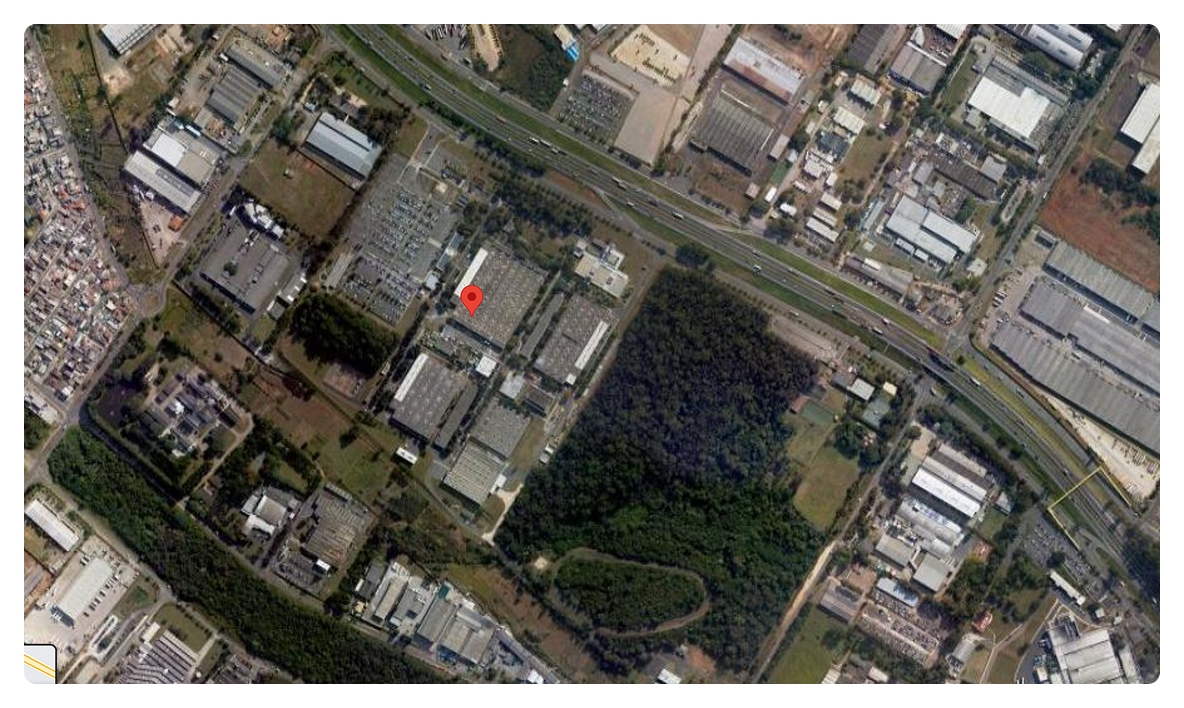
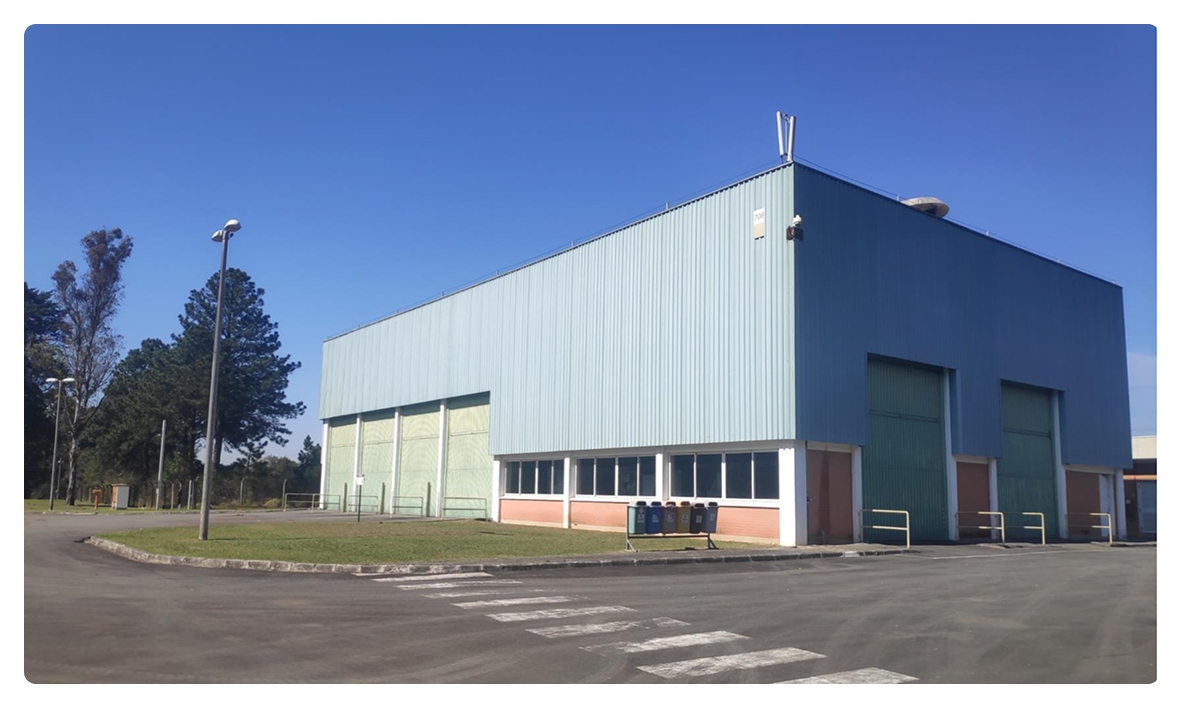
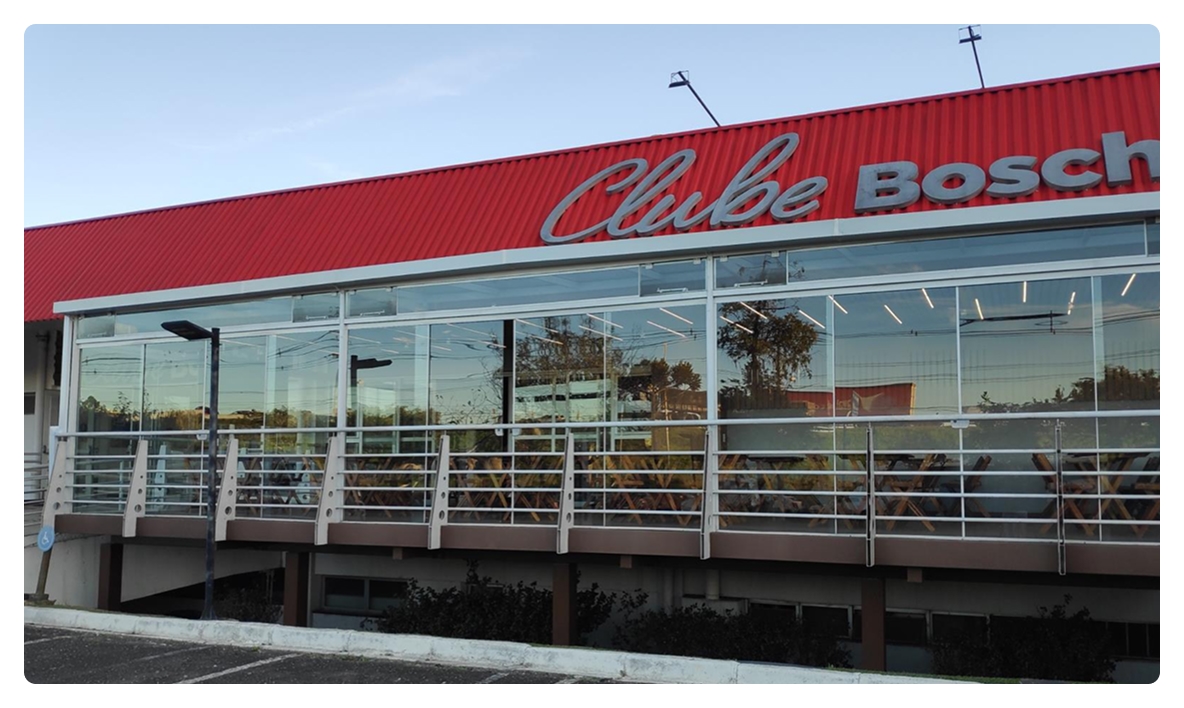
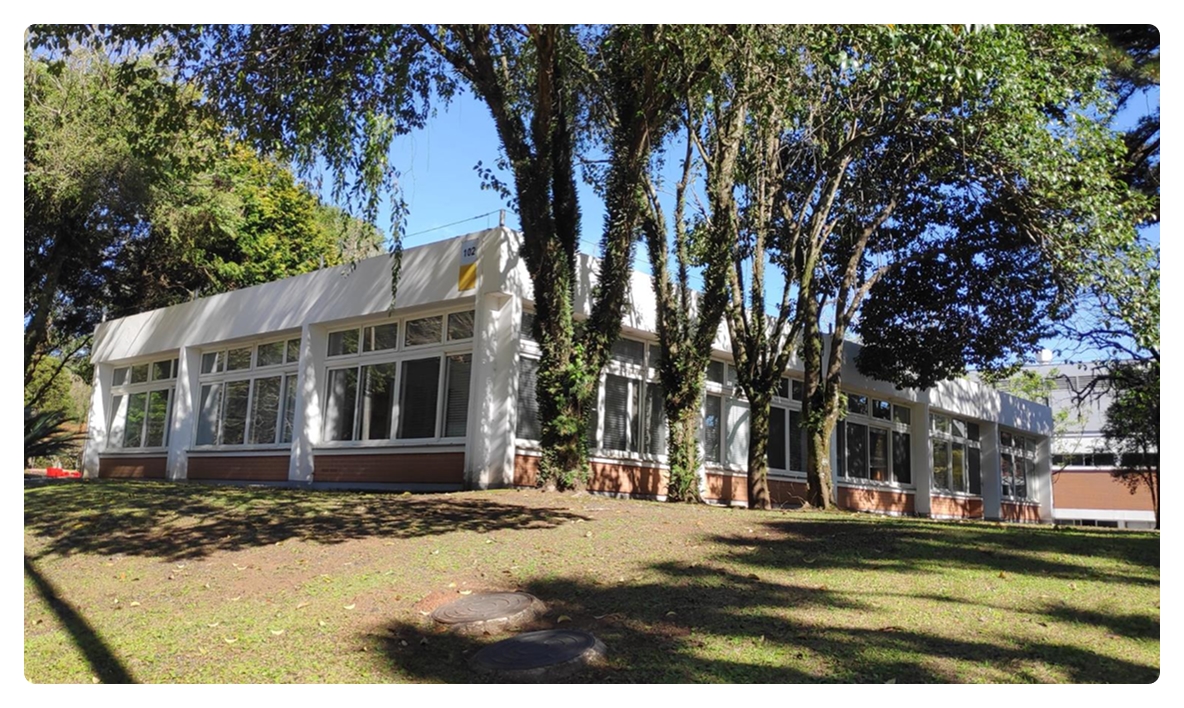
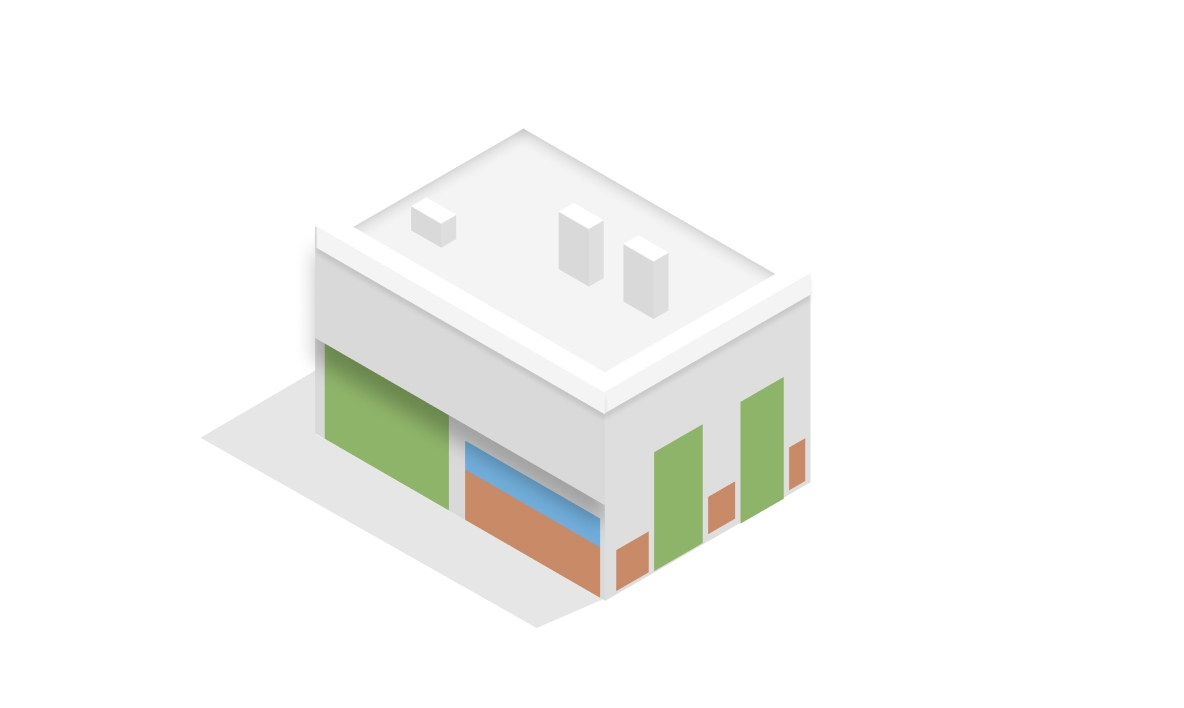
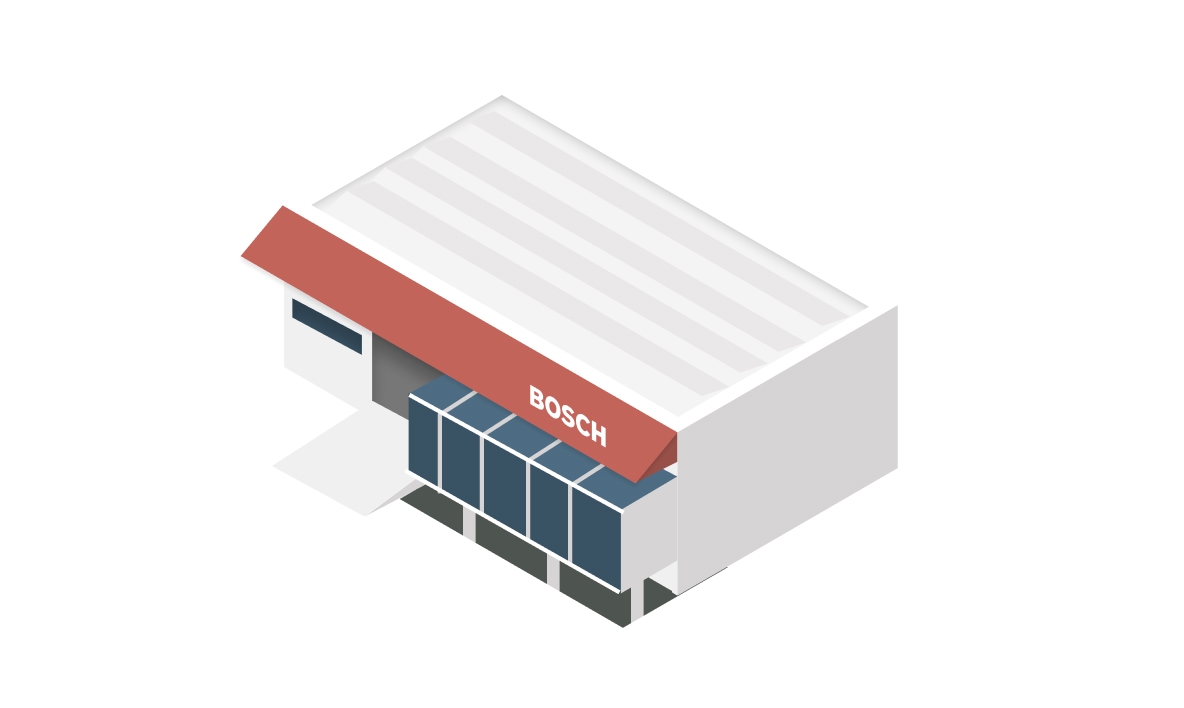
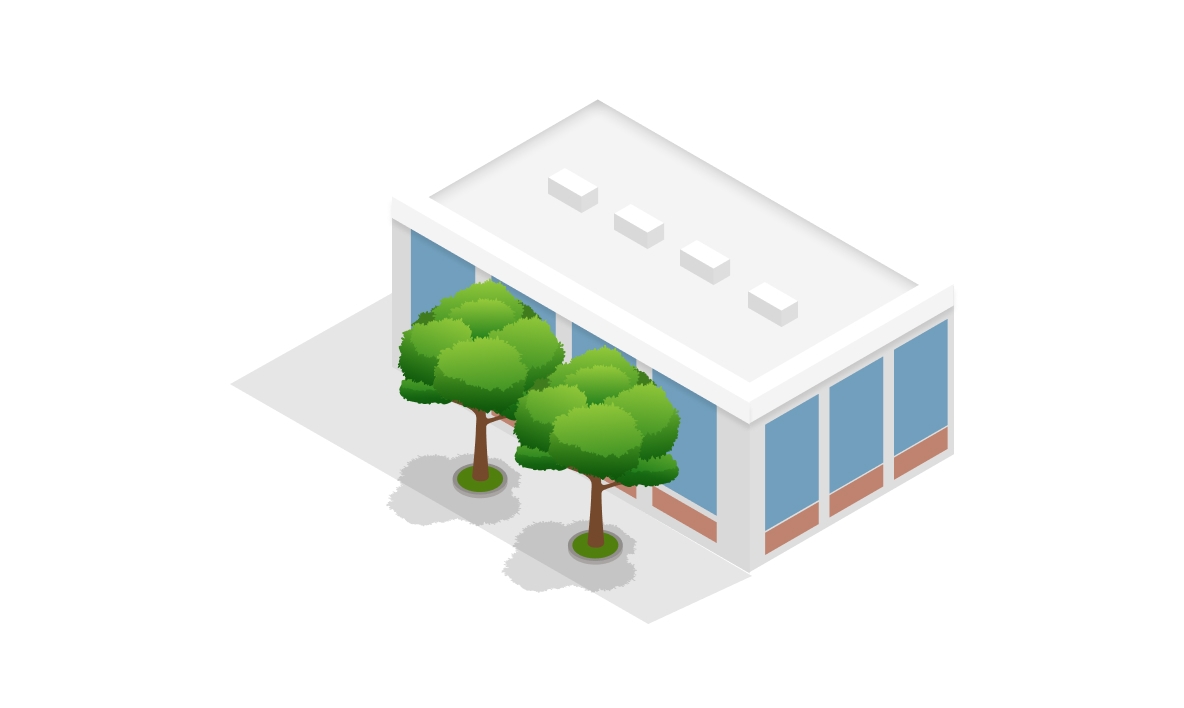
CtP plan
Location
Pomerode plan
Location
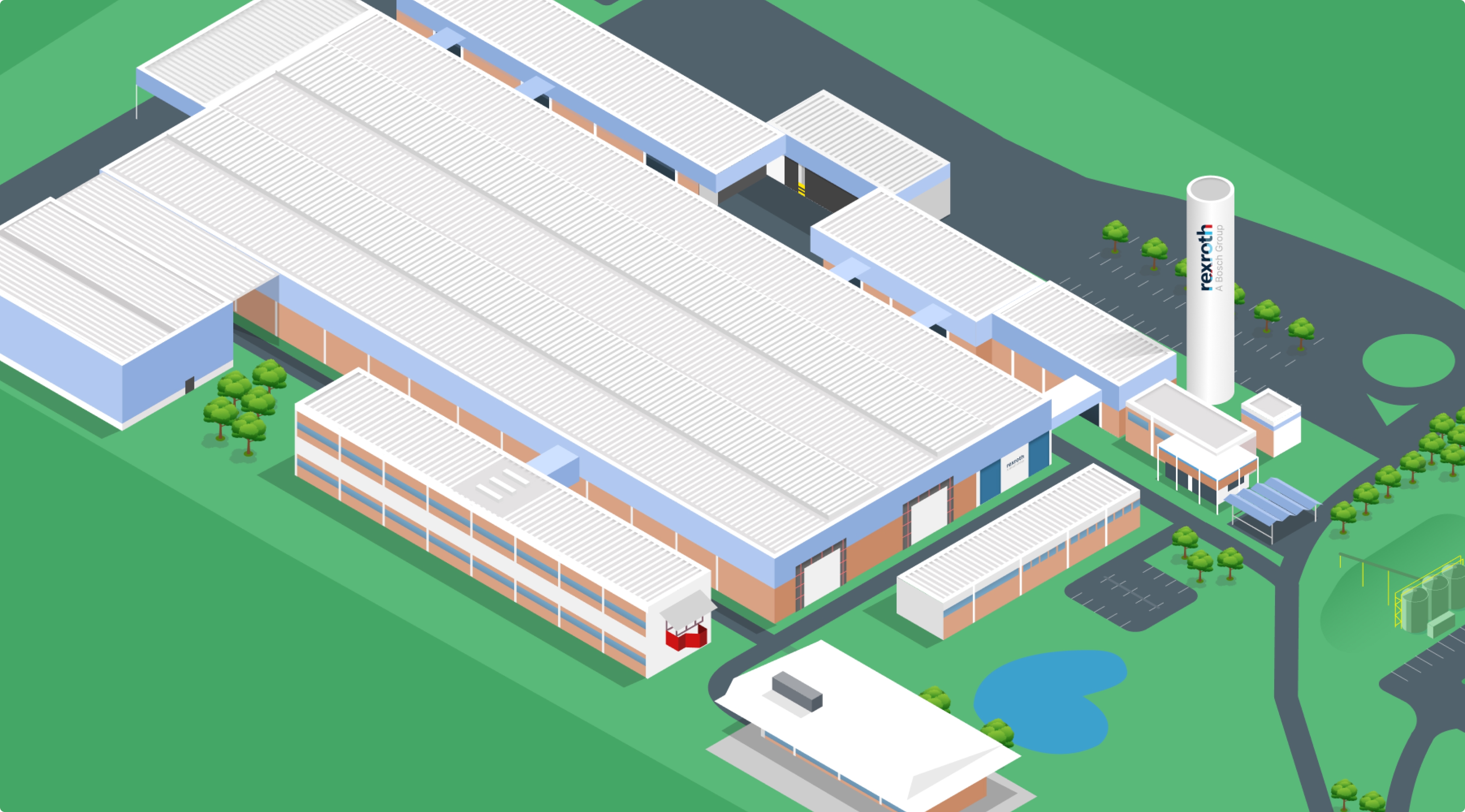
Curitiba plan
Location
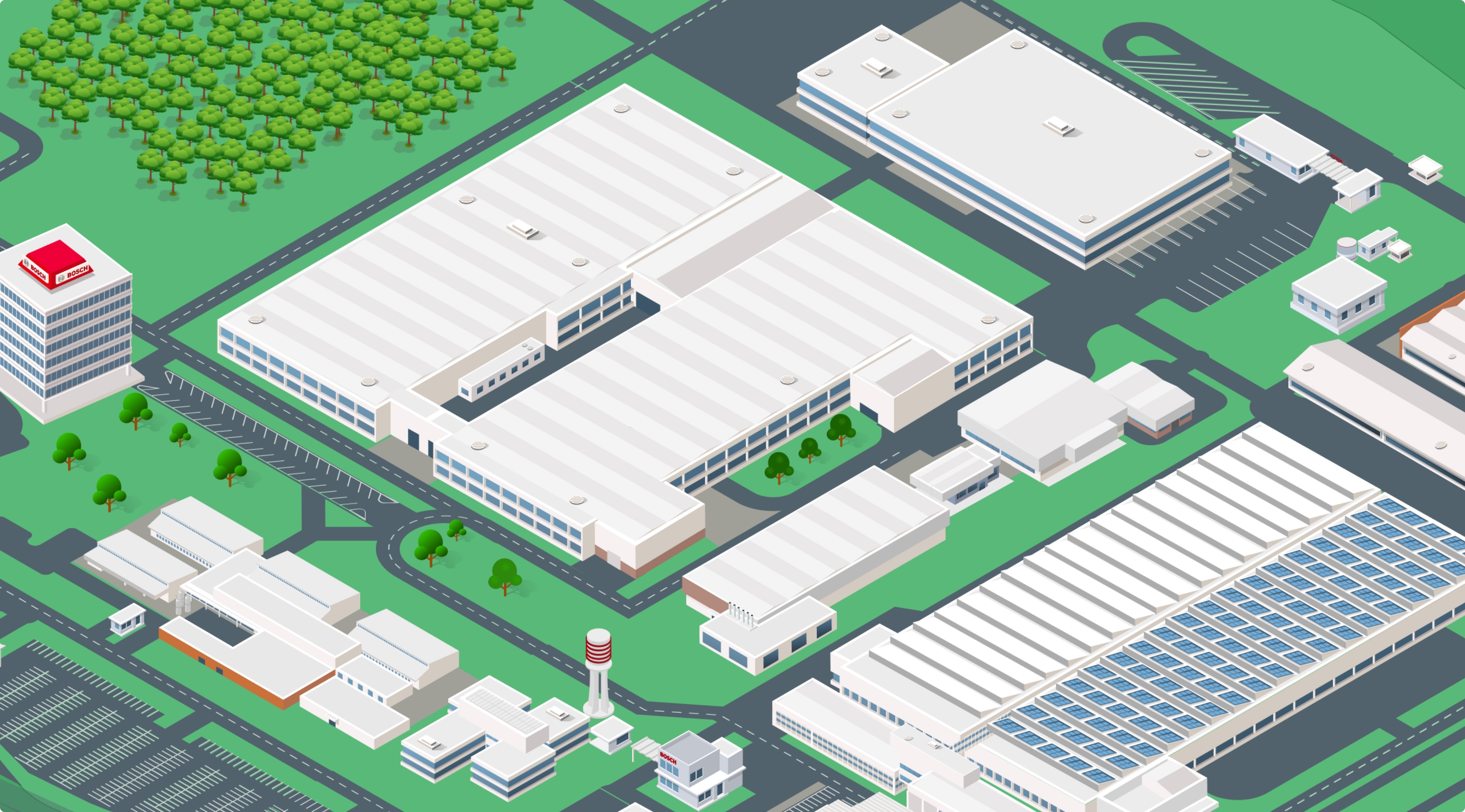
WHAT I LEARNED
I learned that working inside a design system that isn't yours has a discipline of its own. You couldn't solve a new problem by creating a new component. I had to understand the limits of what already existed and design within them. That taught me more about consistency than any project where I built everything from absolute scratch.
And this project opened my eyes to something I hadn't seen before: how much design can connect to the real world. It wasn't just about drawing a screen. It was about representing a real factory, and making the digital respond to the physical in a way that made sense to the end user.


